Diagonal Pet Paw Trail
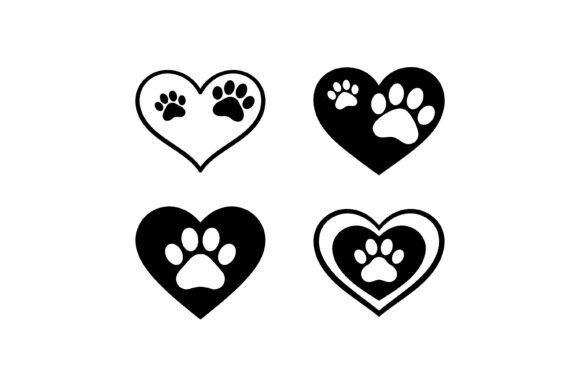
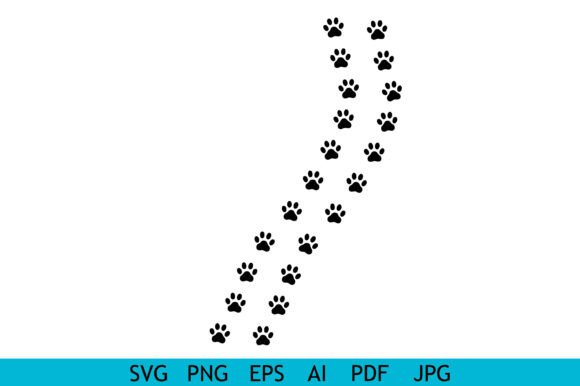
The Diagonal Pet Paw Trail design immediately catches the eye with its playful and whimsical arrangement of paw prints. The diagonal layout gives it a sense of movement and direction, making it ideal for projects that aim to tell a story or evoke a sense of adventure. The design feels clean, modern, and versatile, with enough detail to be visually interesting without being overwhelming.
First Impressions and Visual Appeal
As a designer, the first thing I notice is how the paw prints are spaced out in a way that allows each one to stand on its own while still creating a cohesive pattern. The shapes are well-proportioned, and the overall aesthetic leans toward a casual, friendly vibe. This makes it perfect for items like tote bags, baby clothes, or personalized gifts that need to feel warm and approachable.
The design’s simplicity also means it can work well on a variety of fabrics and color schemes. Whether you’re using it on a light-colored t-shirt or a dark sweatshirt, the contrast between the paw prints and the background can be adjusted to suit the project. It’s a great example of a machine embroidery design that doesn’t require too much embellishment to look effective.
Real-World Use Cases
When considering real-life embroidery situations, the Diagonal Pet Paw Trail shines in custom apparel, especially when used on items like tote bags, sweatshirts, or baby onesies. Its diagonal layout helps prevent the design from looking flat or static, which is a common issue with repetitive patterns. It also works well as an embroidered patch, adding a unique touch to jackets, backpacks, or hats.
This design could also be a hit for holiday or wedding gifts. Imagine a personalized pillow cover with a trail of paw prints leading to a heart or a special date. It adds a personal and thoughtful element to handmade products, which is always a big plus for Etsy sellers or small shop owners.
For craft businesses, the Diagonal Pet Paw Trail offers a lot of flexibility. It can be used as a printable mockup for digital product previews, or as part of a larger collection of design assets. Its vector format ensures it scales well without losing quality, making it suitable for both small and large projects.
Where to Use With Caution
While the Diagonal Pet Paw Trail is generally easy to work with, there are some scenarios where it might not perform as well. For instance, on small hoop sizes, the design may require multiple hooping sessions, which can be time-consuming and increase the risk of misalignment. If you're working with textured fabrics or thin materials, the stitching might not hold up as well, especially if the design has intricate details.
On stretchy or dark fabrics, the visibility of the paw prints could be an issue. You’ll want to test the design on different fabric types before committing to a final project. Similarly, on curved surfaces like caps or hats, the diagonal layout might not align as smoothly as a more centered design would.
If your project involves dense stitch areas or layered garments, the Diagonal Pet Paw Trail could become too busy or lose its clarity. In such cases, consider simplifying the design or using it as a decorative accent rather than the main feature.
Impact on Product Value and Customer Perception
From a business perspective, the Diagonal Pet Paw Trail has the potential to add significant value to a handmade product. Its recognizable and appealing design can make a finished product more attractive to buyers, especially those looking for personalized gifts or unique apparel.
Customers often appreciate designs that feel intentional and well-crafted. The Diagonal Pet Paw Trail, with its balanced composition and clear visual identity, can help build trust in your brand. It also enhances the giftability of your products, as the design is instantly recognizable and emotionally engaging.
For commercial embroidery projects, this design offers a good balance between creativity and practicality. It’s easy to replicate, scalable, and adaptable to different applications. As long as you follow best practices for embroidery, such as using the right stabilizer and adjusting stitch density, it should perform reliably across a range of materials and environments.
Practical Designer Notes
Before using the Diagonal Pet Paw Trail in any project, I recommend testing it on scrap fabric to see how it looks in real life. Pay attention to how the stitches lay and whether the design maintains its shape and clarity. Also, check the thread color contrast against the fabric to ensure the paw prints stand out as intended.
Reviewing the stitch density is another important step. If the design is too dense, it might cause puckering or distortion on certain fabrics. Adjusting the density or using a different stitch type, like a running stitch or satin stitch, could help improve the outcome.
Confirming the hoop size is essential, especially if you're working with larger designs. Make sure your machine can accommodate the entire design in one hooping session, or plan for multiple steps if necessary. Checking small details, like the corners of the paw prints, can also make a big difference in the final appearance.
Testing the design in black and white mockups can give you a better idea of how it will look on different backgrounds. Comparing it on light and dark fabrics helps you understand the versatility of the design and how to adjust it for optimal results.
Finally, always verify the licensing terms before selling finished items or digital products. Even though the Diagonal Pet Paw Trail appears to be a versatile design, it’s important to confirm whether it’s suitable for commercial use and what restrictions, if any, apply.